Guide
What is Omegaverse? A/B/O Dynamics in M/M Romance, Explained
Published October 6, 2026
If you’ve seen the term “Omegaverse” or the abbreviation “A/B/O” attached to a romance novel and quietly wondered what you were looking at — you are in good company. Omegaverse is one of the most readable, most tropey, most unapologetically horny corners of modern romance, and it has a specific vocabulary that is almost entirely opaque until someone tells you what the words mean.
This guide is that someone.
The short answer
Omegaverse (also written A/B/O, for alpha / beta / omega) is a romance subgenre in which human — or human-adjacent — characters belong to one of three biological “secondary genders”: alpha, beta, or omega. These dynamics are stacked on top of regular gender, so you can have a male alpha, a male omega, a female alpha, and so on. The dynamics govern pheromones, mating, heat cycles, fertility, and often an involuntary bond between a given alpha and omega who are “meant” for each other.
In practice, Omegaverse romance uses this layer of biology to earn tropes that straight contemporary romance has to work much harder to justify — fated mates, forced proximity, scent recognition, instant attraction, and, famously, male pregnancy.
Where it came from
Omegaverse was born in fanfiction, specifically in the Supernatural and Teen Wolf fandoms around 2010. The term “A/B/O” and the core worldbuilding came out of kink memes — short-prompt communities where fans wrote scenarios on request. The idea travelled quickly because it solved a problem a lot of fanfic writers were running into: how do you justify fated-mate instincts between two human men? Omegaverse answered: give them a biology that includes it.
What started as fandom shorthand is now a stable, published genre. Hundreds of indie authors publish in Omegaverse full-time. Entire corners of Kindle Unlimited are devoted to it. Big tropes-driven BookTok accounts cover it. It has crossed from fandom to shelf.
The three dynamics
Alpha
Alphas are the dominant secondary gender. In most Omegaverse worldbuilding they are physically stronger, scent-driven, and biologically wired to protect and provide. They “rut” — a periodic surge of hormones that heightens aggression and sex drive, usually in response to a nearby omega in heat.
Alpha tropes often lean into protectiveness, possessiveness, and the pressure of being the one responsible for a pack. The most interesting alphas on the page are usually the ones struggling against the parts of their biology that are supposed to be effortless.
Omega
Omegas are the receptive partner in the dynamic. In most settings they experience “heat” — a recurring, days-long cycle of fertility and heightened sensitivity — and are capable of carrying a pregnancy regardless of their primary gender.
Omega tropes often lean into agency, self-protection, and the politics of being the person everyone assumes they can read. The best-written omegas are the ones who refuse to be reduced to their heat.
Beta
Betas are the “ordinary” dynamic — no heat, no rut, no scent-driven mating pull. They are the quiet majority of the Omegaverse population. In romance, betas often appear as side characters: friends, co-workers, pack members who ground the story. Beta-led romances exist but are much rarer.
The vocabulary you’ll see on back covers
Heat. The omega’s fertility cycle. Depending on the worldbuilding, heats last three to seven days and come every few months. Heats are the engine of a lot of Omegaverse plot — a heat means forced proximity, isolation, the question of consent, the arrival of the alpha.
Rut. The alpha equivalent, usually triggered by an omega’s heat nearby.
Scent. Omegaverse biology is pheromone-driven. Characters recognize each other, assess compatibility, and bond partly through scent. “Scent recognition” between two leads is often the first sign that they are fated.
Mating bond. A permanent biological bond between an alpha and an omega, usually sealed by a bite during a heat. The bond is often two-way — if one partner feels pain, the other feels it; if one dies, the other may not survive.
Mpreg. Male pregnancy. In Omegaverse this is a natural consequence of a male omega carrying a bonded alpha’s child. Mpreg is one of the most searched Omegaverse terms and is a love-it-or-don’t-read-it trope — books usually say up front.
Knotting. A specific anatomical feature borrowed from canid biology, where the alpha’s body locks in place during sex to maximize fertility. Explicit Omegaverse books use the term; sweeter ones elide it.
Pack. The social unit. Not every Omegaverse world uses packs, but werewolf-adjacent ones usually do. Pack politics — who leads, who challenges, who is exiled — often drives the non-romantic plot.
Common Omegaverse tropes
- Fated mates. Two leads are biologically destined for each other, often recognized by scent at first meeting.
- One-sided fated mates. One lead feels the pull and the other doesn’t — yet.
- Touch-starved alpha. An alpha who has waited, sometimes centuries, for the one. The first touch of their mate hits hard.
- Omega on the run. An omega fleeing a bad pack, a forced bond, or a fate they didn’t choose.
- Heat / rut forced proximity. A heat strands two characters together and the biology does the rest.
- Mpreg discovery. A character — usually a human-dynamic one — realizes something is biologically happening that shouldn’t be.
- Pack politics. Succession, challenge, rogue packs, inter-pack treaties.
- Human-alpha pairings. An alpha falls for a human partner with no secondary dynamic, which raises questions nobody’s biology has answers for.
Many Omegaverse romances stack several of these in a single book. The stacking is a feature, not a bug — a reader picking up an Omegaverse novel wants the full stack.
Is Omegaverse the same as werewolf romance?
Not quite — but there is enormous overlap.
Werewolf romance covers any romance where one or more leads can shift between human and wolf form. Werewolf romance can use Omegaverse dynamics (alpha / omega biology, heats, scent) or it can use a different biology entirely. Omegaverse can also exist without any shifting at all — “human” Omegaverse worlds are common, with alpha / omega biology but no werewolves.
The overlap is a historical accident: fandom-era Omegaverse grew up in werewolf-heavy settings, and a lot of indie Omegaverse publishers kept the fusion. If you pick up an M/M Omegaverse book with wolves on the cover, you are almost certainly getting both.
Who is Omegaverse for?
Omegaverse readers are usually people who:
- Love high-trope, high-heat romance with a strong central couple
- Want fated-mate pull without needing to argue the setup
- Like paranormal or supernatural worldbuilding
- Are comfortable with explicit content (though sweeter Omegaverse exists)
- Enjoy mpreg, pack politics, or found-family storylines
If you have never read Omegaverse and any of the above describes you, you are the audience.
Where to start reading
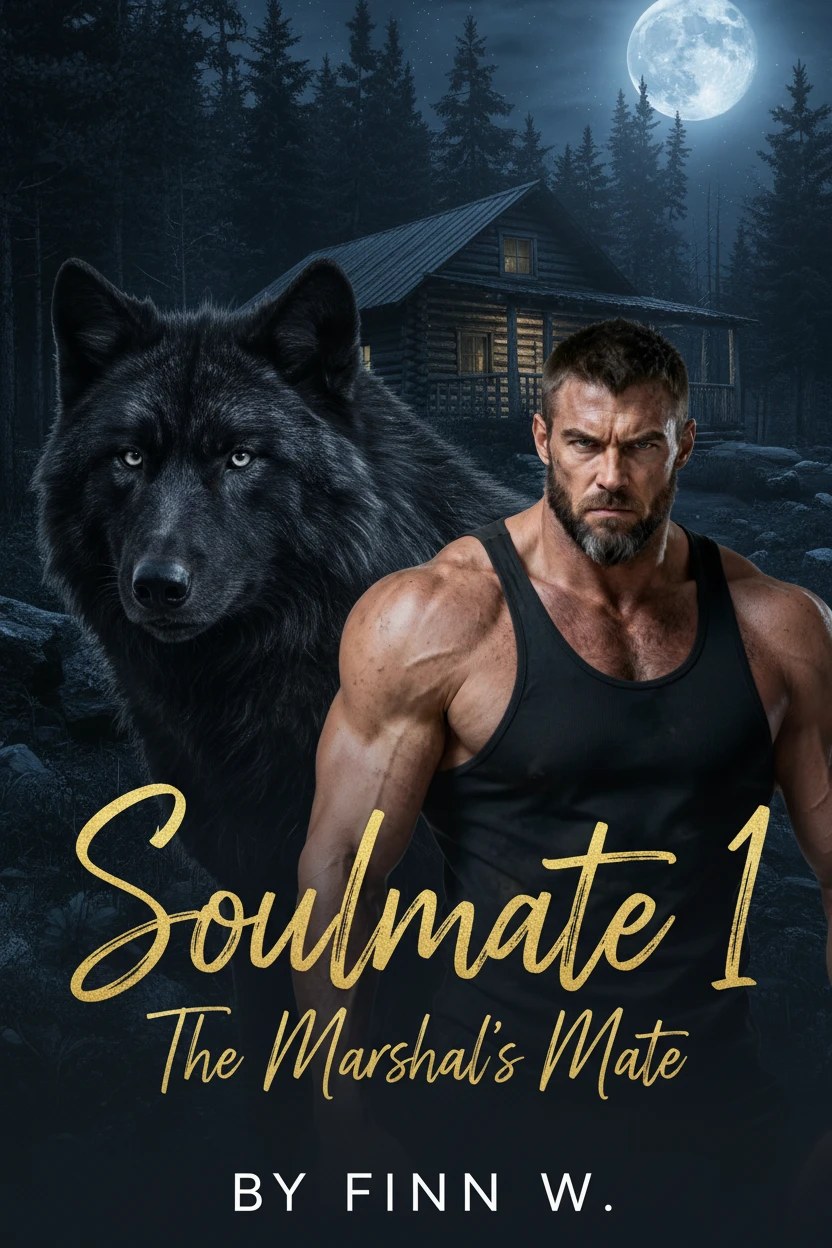
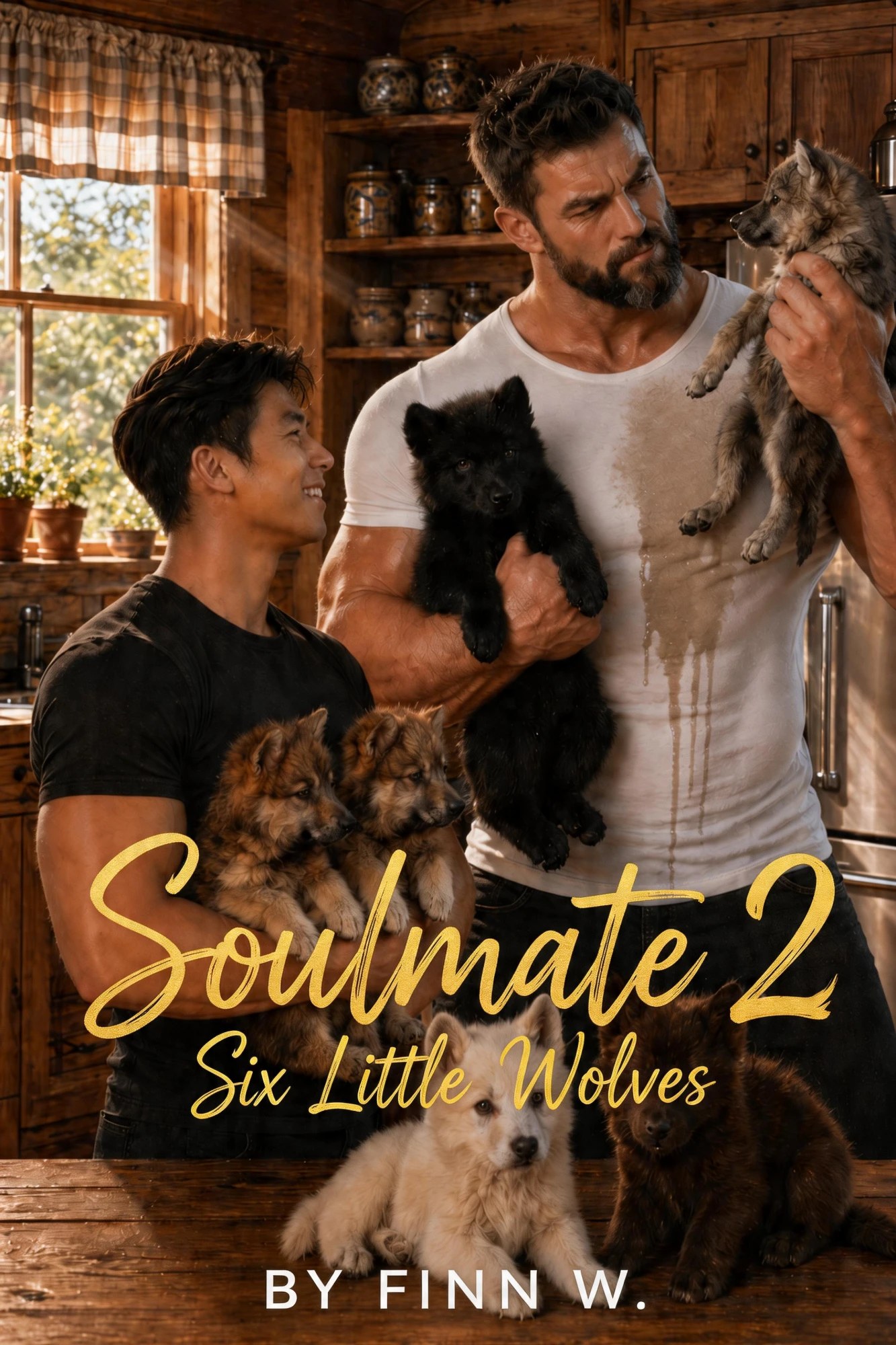
If you want to try M/M Omegaverse without committing to a long series, start with a Book 1 that works as a complete emotional arc on its own and then follow up only if you fell in love. We publish two titles that fit — see the “Where to start on KYK Press” cards at the end of this guide.
FAQ
Is Omegaverse always M/M?
No. Omegaverse exists across every pairing orientation — M/M, M/F, F/F, and everything else. M/M is historically where the subgenre is largest, because the biology lets the writer earn fated-mate and mpreg plots with two male leads, which traditional contemporary romance doesn’t have a straightforward way to do.
Is Omegaverse the same as A/B/O?
Yes. A/B/O is an abbreviation of “alpha / beta / omega.” The two terms are used interchangeably.
Do I have to read Omegaverse in a specific order?
No. Omegaverse is a genre convention, not a shared universe. Every author builds their own version of the biology, their own pack rules, their own heat length. You can jump in with any book that catches your eye — the first chapter will teach you the rules of that specific world.
Is Omegaverse always explicit?
Not always, but usually. Heats and ruts are built into the biology, which pushes a lot of books toward on-page intimacy. “Low-heat” and “closed-door” Omegaverse exists but is in the minority. Books usually declare their heat level up front.
Is mpreg required in Omegaverse?
No. Mpreg is extremely common but not universal. Many Omegaverse books use the biology without ever triggering a pregnancy on-page. If you want to avoid mpreg, read the content notes before buying — Omegaverse authors are usually explicit about whether a book contains it.
Omegaverse is a vocabulary problem more than a genre problem. Once you know what the words mean, the books themselves are some of the most reliably satisfying romance on the market. Pick a title whose tropes stack the way you want, read the first chapter, and let the biology do its job.
Where to start on KYK Press
Related tropes